
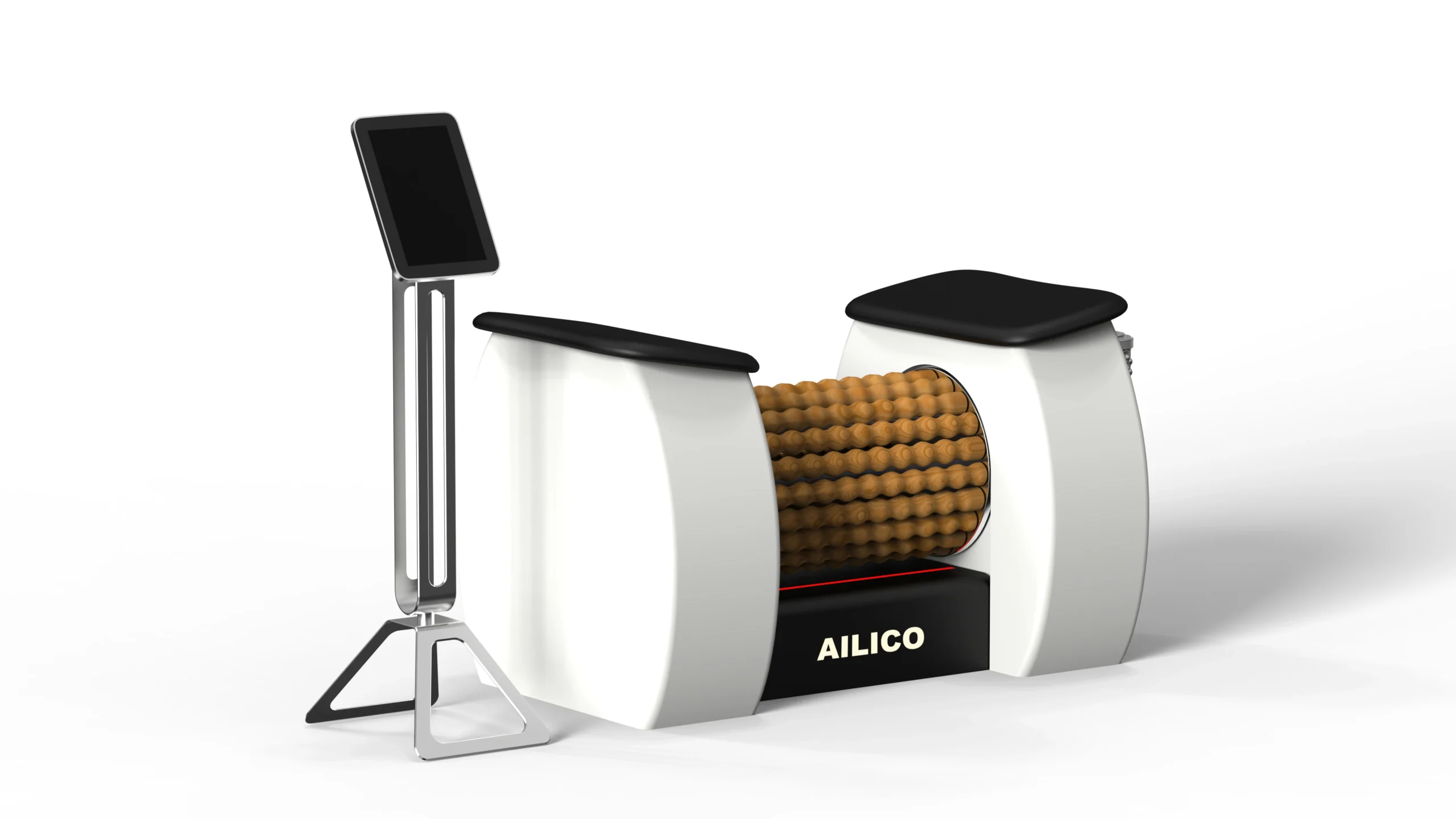
Body Roller Machine: A B2B Guide to Types, Specs, and Sourcing
Search for a roller machine and you will find everything from a handheld massage tool to a motorized clinic system, all described with similar words. That overlap is the main challenge for a B2B buyer. A clinic owner, distributor, or brand builder needs to know which type of machine fits a business model, not just which listing looks best.
This guide is the pillar overview for body roller machines. It covers what they are, how they work, the main types, the specifications that matter, and how to source and certify them. It also links to our more focused guides on specific device types in the roller category.
What Is a Body Roller Machine?
A body roller machine is a device that uses motorized rollers to apply pressure and motion across the body. It is used in clinics, spas, and wellness centers for body contouring, skin smoothing, and massage-style treatments, and it sits among the lower-complexity options in a treatment menu because it relies on mechanical action rather than heat, ultrasound, or radiofrequency.
Suppliers use many overlapping names for this equipment: roller machine, massage roller machine, rolling massage machine, and body rolling machine. The labels vary by manufacturer and market, so treat the name as a starting point for questions, not a specification.
How a Body Roller Machine Works
Core Mechanism
Most machines combine a motor, a roller assembly, and a control unit. As the rollers move across the treatment area, they apply repeated pressure and motion to the skin and underlying tissue. Depending on the design, the machine may also include:
- Adjustable speed and pressure settings
- Interchangeable heads sized for different body areas
- A vacuum or suction element that lifts tissue into the rollers
- Compression or directional patterns intended to support lymphatic-style fluid movement
What the Treatment Is Designed to Do
Manufacturers generally position roller treatments around smoother-looking skin, a firming sensation, and support for fluid movement. Independent guidance on non-invasive body contouring is a useful reference when setting client expectations, such as the American Society for Dermatologic Surgery overview of nonsurgical body contouring and the FDA consumer advice on body contouring procedures. Results vary by person, and sessions are usually repeated over time rather than judged after a single visit.
Types of Body Roller Machines
Basic Mechanical Rollers
These use rolling motion only. They are the simplest and lowest-cost option, with a short staff learning curve. Our guide to roll therapy explains the category and how buyers should position it.
Vacuum-Assisted Rollers
These add suction to lift tissue into the roller mechanism. They cost more than basic rollers and give clinics a more distinct treatment to offer. See our guide to compression rollers and body shape machines for how these categories differ in practice.
Lymphatic-Positioned Rollers
These are marketed around supporting lymphatic fluid movement. The hardware often overlaps with general body rollers, but the claims carry more risk. Our guides to the lymphatic drainage roller machine and the lymphatic drainage massage machine cover the evidence and the claims discipline this category needs.
Combination Rollers With Light Elements
Some machines add red or infrared LEDs to the rolling mechanism. They cost more and require separate attention to certification and claims. See our guides to red light roller devices and infrared lymphatic massage rollers.
Comparison at a Glance
| Type | Core mechanism | Relative cost | Main buying consideration |
|---|---|---|---|
| Basic mechanical | Rolling only | Lowest | Roller material and motor durability |
| Vacuum-assisted | Rolling plus suction | Mid | Suction control and comfort settings |
| Lymphatic-positioned | Rolling with directional design | Mid | Claims discipline and certification scope |
| Combination with light | Rolling plus LEDs | Highest | Separate specs and certification per component |
Specifications That Matter
When comparing quotes, request these details in writing:
Roller Design and Materials
Roller count, material, surface texture, and diameter affect comfort and consistency. Rollers see constant mechanical wear, so ask how long they are rated to last under daily clinical use.
Motor and Electronics
Ask about motor power, rated service life, and the safety features built into the control unit, such as overload protection and emergency stop.
Adjustable Settings
Look for independent control of speed and pressure or suction, so practitioners can adapt treatment to different areas and client tolerance levels.
Treatment Area Design
A head built for the abdomen is not automatically suited to the arms or face. Ask which treatment areas each head is designed and tested for, instead of accepting a general full-body claim.
Certification and Compliance
A roller machine with a simple mechanical design usually has a more straightforward certification path than an energy-based device, but you should still verify the paperwork. Confirm that certificates cover the exact model and configuration you are buying, not a similar product in the same range, and check what claims the certification actually supports. Our guide on why CE, FDA, and ISO certifications matter explains what to request and how to verify it. For combination devices, ask for coverage of each component separately.
Who Buys Body Roller Machines
Clinics and Spas
Clinics add roller machines as a lower-cost, lower-complexity service next to energy-based treatments, or as an entry point into body contouring. The shorter training time suits smaller teams.
Distributors
Distributors often carry two or three tiers, from basic units to vacuum-assisted or combination machines, to serve clinics at different budget levels. Your sales team should understand the real differences between tiers so that they can recommend accurately.
Private Label Brands
For brands, the standardized core mechanism lowers engineering risk, but it also makes differentiation difficult. Branding, packaging, support, and positioning carry much of the competitive weight. Our OEM vs ODM guide explains which model suits different business stages, and for this category ODM customization of an existing model is often the practical route.
Building the Business Case
Landed Cost and Running Costs
Build a cost model that includes unit price, shipping, duties, training, and any consumables or replacement rollers. A cheaper unit with expensive parts or poor support can cost more over its life than a better-built machine.
Pricing and Positioning
Decide before you buy whether the machine is a standalone service, an add-on, or a retention treatment that brings clients back between more intensive procedures. That decision shapes pricing, marketing, and how many sessions per week you need to reach payback.
Staff Training
Simple machines still need trained operators. Include time for staff to learn pressure settings, treatment patterns, and contraindications such as certain medical conditions or recent surgery.
Vetting the Manufacturer
Lower price points tend to attract more unverified resellers, so supplier checks matter as much here as for expensive equipment. Verify the factory address and registration, request a sample or live demonstration, confirm warranty and spare parts support, and get MOQ, lead time, and payment terms in writing. Our guide to finding a reliable beauty equipment manufacturer walks through the full process, and the common mistakes new beauty equipment businesses make covers the pitfalls to avoid.
Marketing Roller Treatments Responsibly
Keep client-facing language conservative and accurate:
- Describe results as smoother-looking skin and a firming sensation, not permanent fat or cellulite removal
- Avoid medical or therapeutic claims unless you hold the specific clearance and evidence for them
- Use phrases such as designed to and may support rather than guarantees
- Explain that results build over a series of sessions and vary by person
Common Mistakes to Avoid
Comparing Prices Before Comparing Mechanisms
Two roller machine quotes can describe different products. Match the mechanism and treatment areas first, then compare prices.
Paying for Features You Will Not Use
A multi-function unit looks impressive in a demo, but unused capability is wasted budget. Match the machine to demonstrated client demand.
Skipping the Sample
Request a sample or detailed live demonstration and test every function the listing describes before a bulk order.
Overclaiming Results
Promising permanent results creates client disappointment and potential regulatory exposure. Keep claims grounded in what the mechanism can reasonably support.
Frequently Asked Questions
What is a body roller machine used for?
It is used for non-invasive body contouring and massage-style treatments, generally to support smoother-looking skin and a firming sensation through repeated mechanical rolling.
What is the difference between a roller machine and a rolling massage machine?
Suppliers often use the terms interchangeably. Both usually describe motorized roller devices, so confirm the actual mechanism, settings, and treatment areas in the specification.
Do body roller machines need certification?
Yes, you should verify certification for the exact model and the market you sell in. Simpler mechanical devices often have a more straightforward path, but documentation still matters.
Can I get a body roller machine customized for my brand?
Yes. Many manufacturers offer OEM or ODM customization, including branding, packaging, and sometimes head configuration. Confirm MOQ and certification transferability for customized orders.
Is a vacuum-assisted roller better than a basic roller?
Not automatically. It offers a more distinct treatment and costs more, but a basic roller can be the better value for clinics with simple menus or limited budgets.
How do I choose between suppliers?
Compare full specifications, certification documents for the exact model, warranty and support terms, and sample quality, then check that the supplier is a verified manufacturer.
Conclusion
Body roller machines are a practical, lower-complexity category with real demand, and they reward buyers who do their homework. Define the mechanism you need, request full specifications, verify certification for the exact model, vet the manufacturer, and keep your marketing honest about what the equipment does.
Ready to source roller equipment for your clinic or brand? Contact our team for specifications, samples, and a quote.