
Vacuum Roller Slimming Machine: A B2B Guide to Specs, Cost, and Sourcing
Vacuum roller slimming is a small search term with very little competition, and it describes a real equipment category that clinics and brands buy every year. The challenge for buyers is not finding listings. It is telling apart machines that look the same in a catalog but differ in build quality, certification, and support, and writing marketing that stays honest about what the equipment does.
This guide is written for B2B buyers. It explains how vacuum roller slimming machines work, the specifications that matter, how they compare with related devices, and how to source and position them responsibly.
What Is a Vacuum Roller Slimming Machine?
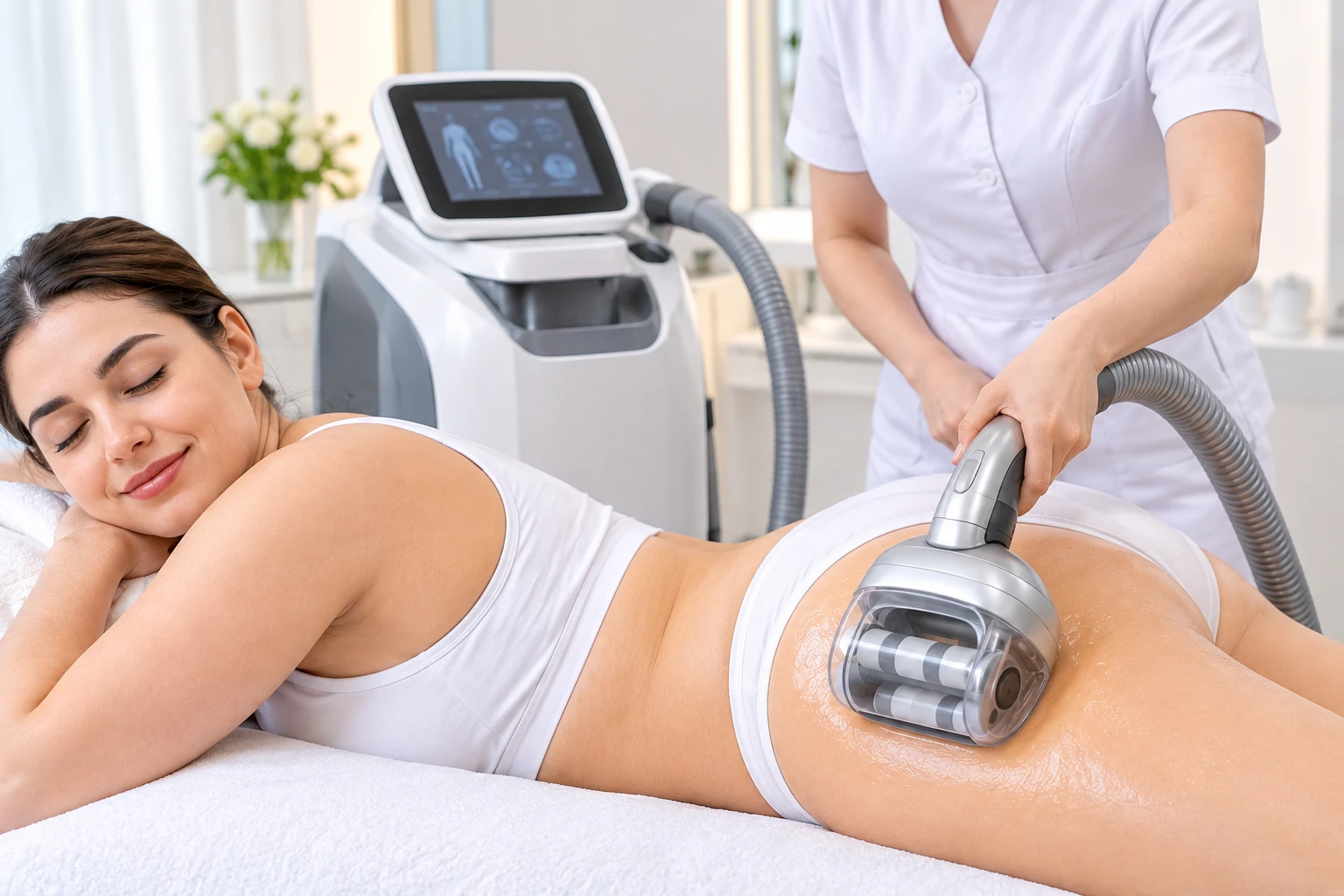
A vacuum roller slimming machine is a body contouring device that combines two mechanical actions in one handpiece: vacuum suction that lifts a fold of skin and underlying tissue, and motorized rollers that move across that tissue. It is used in clinics, spas, and body contouring studios to support smoother-looking skin and a firmer appearance in areas such as the abdomen, thighs, hips, and arms.
Because the mechanism is mechanical rather than energy-based, it generally has simpler electronics than RF or ultrasound devices. That simplicity can mean lower purchase cost and a shorter training time, which makes the category a common entry point for clinics building a body treatment menu.
How Vacuum Roller Slimming Works
The Vacuum Element
Suction draws tissue into a chamber or between rollers. The goal is to bring the treatment area into consistent contact with the rolling mechanism, which gives more even coverage than manual massage alone. Good machines let the practitioner adjust suction strength independently.
The Roller Element
Motorized rollers move over the lifted tissue and apply pressure and motion. This is intended to work the tissue, support lymphatic-style fluid movement, and create the smoothing sensation clients associate with these treatments.
The Combined Effect
Pairing suction and rolling reaches tissue more evenly than rolling alone and applies more targeted mechanical action than suction alone. Treatments are normally repeated over a series of sessions, since visible changes in appearance build gradually and vary from person to person.
Vacuum Roller Slimming vs. Related Devices
Buyers frequently confuse this category with neighboring ones. The names overlap in supplier catalogs, so confirm the mechanism in every quote.
| Device | Mechanism | Typical positioning | Cost tier |
|---|---|---|---|
| Rolling massage machine | Rolling only | General smoothing, lymphatic-style massage | Lower |
| Vacuum roller slimming machine | Suction plus rolling | Body contouring and texture smoothing | Mid |
| Lipo massage machine | Often suction, rolling, and sometimes added RF or ultrasound | Broader contouring protocols | Mid to higher |
A basic roll therapy device uses rolling alone. A vacuum roller adds suction. A lipo massage machine may add further technologies, which raises both capability and complexity. For a wider overview of the roller category, see our body roller machine guide.
Setting Accurate Expectations
Listings in this category often use phrases like body slimming and cellulite removal. Buyers should read these carefully before repeating them to clients. Cellulite is a structural feature of connective tissue and fat, and independent medical guidance does not support the idea that a non-invasive mechanical device removes it permanently. The FDA consumer advice on body contouring procedures and the American Society for Dermatologic Surgery overview of nonsurgical body contouring are useful references when you set expectations and write client-facing copy.
In practice, language such as temporary smoothing of skin appearance and support for firmer-looking skin is safer than promises of permanent fat or cellulite removal. It also protects you from complaints and from advertising and medical device rules in many markets.
Specifications That Matter
When comparing machines, request these items in writing.
Suction System
Ask about the vacuum pump rating, adjustable suction range, and how the machine prevents excessive suction. Independent suction control helps practitioners adapt to different areas and client tolerance.
Roller Design and Materials
Roller count, material, surface finish, and diameter affect comfort and consistency. Rollers wear with daily use, so ask how long they are rated to last and what replacements cost.
Handpiece Variety
Some machines offer several handpiece sizes for different body areas. Confirm that each handpiece is designed and tested for its intended area instead of accepting a general full-body claim.
Motor, Cooling, and Safety Features
Ask about motor life, overheating protection, emergency stop, and pressure limits. These affect reliability and client safety.
Software and Controls
Presets, timers, and a clear interface reduce errors and shorten staff training. Pay for the controls your team will actually use.
Certification and Compliance
Confirm certification for the exact model and configuration you are buying, not a similar product in the same range, and check what claims the documentation supports. A simple mechanical device often has a more straightforward path than an energy-based one, but you should still verify the paperwork and the intended-use statement. Our guide on why CE, FDA, and ISO certifications matter explains what to request and how to check it.
Who Buys This Equipment and Why
Clinics and Studios
Clinics add vacuum roller machines as a lower-complexity body service, a complement to energy-based treatments, or a retention treatment that brings clients back between larger procedures.
Distributors
Distributors use the category to cover a mid-priced tier between simple rollers and multifunction machines. Your sales team needs to explain the real differences between tiers to avoid overselling.
Private Label Brands
Brands benefit from the standardized mechanism, which lowers engineering risk. The trade-off is limited technical differentiation, so branding, packaging, support, and positioning carry the competitive weight. Our OEM vs ODM guide explains which model suits your stage.
Building the Business Case
Landed Cost
Build your comparison on total landed cost: unit price, shipping, duties, installation, training, and a stock of replacement parts such as rollers and suction accessories.
Pricing and Positioning
Decide whether the machine is a standalone service, an add-on, or a retention treatment. That choice drives pricing, marketing, and the number of sessions you need per week to reach payback.
ROI Check
Estimate revenue per treatment, cost per treatment, realistic weekly volume, and break-even point. Use conservative demand numbers. A machine with lower running costs and reliable support often beats a cheaper unit over time.
Staff Training
Include training on suction settings, treatment patterns, and contraindications. Certain medical conditions and recent surgery call for caution or exclusion, and your staff should know how to screen clients.
Vetting the Manufacturer
Because entry prices are lower, this category attracts more unverified resellers. Verify the factory address and business registration, ask for references, request certification documents, and get a sample or detailed live demonstration before a bulk order. Confirm MOQ, lead time, warranty, spare parts support, and payment terms in writing. Our guide to finding a reliable beauty equipment manufacturer covers the full process, and the common mistakes new beauty equipment businesses make explains why choosing on price alone is risky.
Marketing Responsibly
Keep client-facing language accurate:
- Describe results as temporary smoothing and support for firmer-looking skin
- Avoid promising permanent removal of fat or cellulite
- Avoid medical claims unless you hold the specific clearance and evidence for them
- Use phrases such as designed to and may support instead of guarantees
- Explain that results build over a series of sessions and vary by person
Common Mistakes to Avoid
Comparing Prices Before Mechanisms
Two quotes can describe different machines. Match the mechanism, handpieces, and treatment areas first, then compare prices.
Believing the Listing Claims
Aggressive phrases such as cellulite removal in a supplier listing should not set your own marketing. Verify what the mechanism does, then write conservative copy.
Skipping the Demonstration
Request a sample or live demonstration and test suction, rollers, and every handpiece the quote describes.
Ignoring Parts and Support
Rollers and suction components wear out. Confirm replacement availability and price before you buy.
Accepting Certificates for Other Models
Check that the document names your exact configuration.
Frequently Asked Questions
It is a non-invasive body contouring treatment that combines vacuum suction with motorized rolling. It is used to support smoother-looking skin and a firmer appearance in treated areas.
Not always. Vacuum roller machines combine suction and rolling, while lipo massage machines often add further technologies such as RF or ultrasound. Names overlap between suppliers, so confirm the mechanism.
No non-invasive mechanical device permanently removes cellulite. These machines may support temporary smoothing of skin appearance through repeated sessions, so avoid promising permanent removal.
Confirm certificates for the exact model and configuration, and understand which claims they support. Request documents before paying a deposit.
Yes. Many manufacturers offer OEM or ODM customization, including branding, packaging, interface language, and sometimes handpiece configuration. Confirm MOQ and certification transferability for customized orders.
Treatment plans vary by machine, area, and person, and they are normally delivered as a series of sessions. A trained practitioner can advise on a realistic schedule.
Ask about the exact mechanism, suction and roller specifications, certification for your model, warranty, spare parts supply, MOQ, lead time, and whether a sample or demonstration is available.
Conclusion
Vacuum roller slimming machines offer clinics and brands a practical, mid-complexity body contouring option with low competition in search and steady demand. Buyers who compare full specifications, verify certification, vet the manufacturer, and keep their claims modest end up with a more reliable business than those who chase the lowest quote or the boldest listing language.
Ready to source vacuum roller equipment for your clinic or brand?
Contact our team for specifications, samples, and a quote.