OEM vs ODM Beauty Equipment: How to Choose the Right Manufacturing Model for Your Brand
Picture a clinic owner named Mina. She has spent six months planning her own line of body contouring machines. She has a logo, a color palette and a distributor in another country waiting for samples.
Then her factory asks one simple question. "Do you want OEM or ODM?"
Mina guesses. She picks OEM because it sounds more professional. Three months later she is paying for engineering work she never needed, and her launch date has slipped past the busiest season of the year.
Mina is not a real client, but her story will feel familiar to anyone who has tried to launch a private label beauty device. The mistake is rarely a lack of effort. It is a mix-up between two manufacturing models that sound alike and work very differently.
If you are planning your own beauty device line, the choice between OEM and ODM beauty equipment shapes your budget, your timeline, your certification path and how unique your product can be. This guide explains both models in plain language, so you can decide with confidence before you sign a contract or pay a deposit.
What Do OEM and ODM Mean in Beauty Equipment?
OEM stands for original equipment manufacturer. ODM stands for original design manufacturer. In both cases a factory builds the machine. The real difference is who designs it.
Some suppliers use these terms loosely, so it helps to know what each one usually means before you compare quotes.
What Is OEM Beauty Equipment?
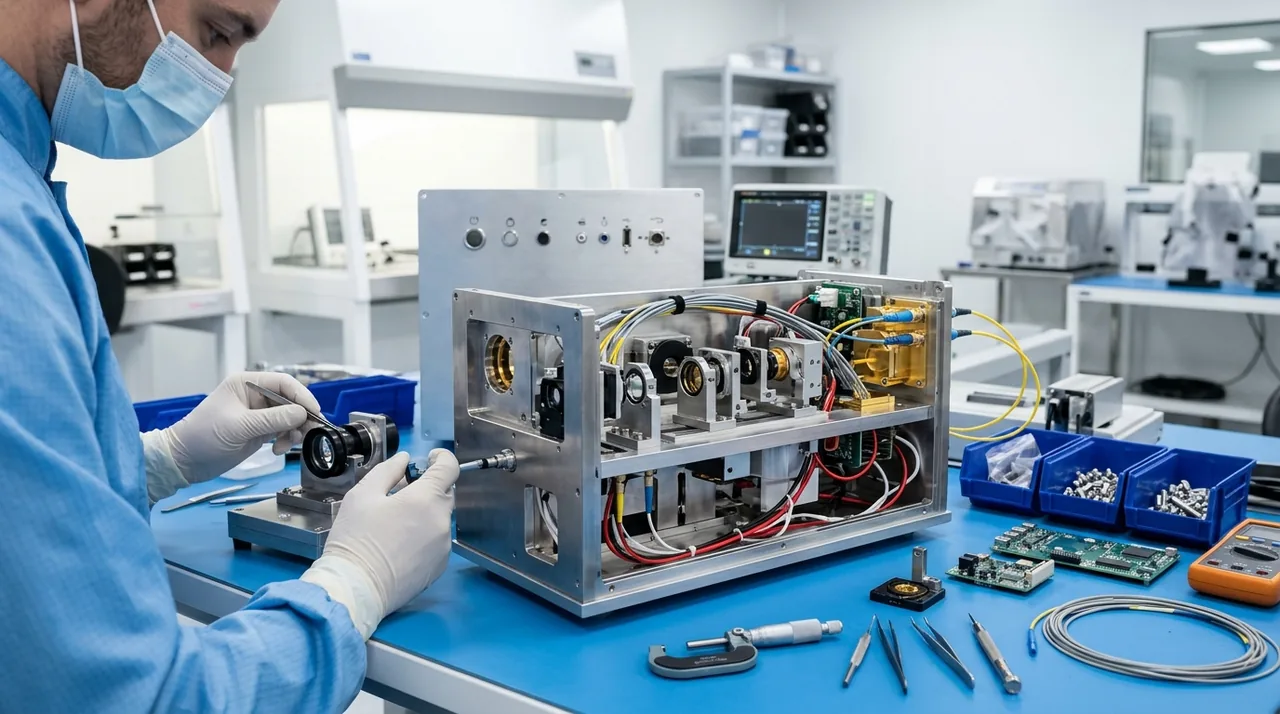
In an OEM project, you bring the design and the technical specifications. The factory builds the device to your requirements, from energy output and handpiece structure to housing shape, interface and software behavior.
Because the concept is yours, you can create a machine that no competitor sells. The trade-off is more planning, more testing and a longer road to launch.
What Is ODM Beauty Equipment?
In an ODM project, the factory has already designed and validated the machine. You choose a model from its range and customize it with your own brand name, colors, packaging and screen interface.
This route is faster and needs less money upfront. It is the reason many new brands, distributors and clinic groups start here.
Where Does Private Label Fit In?
Private label describes the commercial result, not a separate manufacturing model. A private label HIFU machine, for example, is often an ODM product that carries your brand instead of the factory's.
When a supplier says "we do private label," ask whether they mean ODM, OEM or a mix of both. Get the answer in writing. It will save you from comparing two quotes that describe two different projects.
OEM vs ODM Beauty Equipment at a Glance
The table below sums up the main differences. Use it as a starting point, then check the details with your manufacturer for the specific device you have in mind.
| Factor | OEM | ODM |
|---|---|---|
| Who designs the device | You, or you and the factory together | The factory |
| Branding control | Full control | Logo, colors, packaging and interface |
| Exclusivity | High, because the design is yours | Lower, because the base platform may serve other brands |
| Development time | Longer | Shorter |
| Upfront investment | Higher | Lower |
| Technical validation | Needed for a new design | Platform is already tested |
| Certification path | Often starts fresh for a new design | Usually builds on existing model documents |
| Best suited for | Established brands with a clear specification | Startups, clinics and distributors entering the market |
No column wins every row. The right choice depends on what your business needs most right now.
When ODM Is the Smarter Choice
ODM suits most first-time brand owners, and there are good reasons for that.
You Need to Reach the Market Quickly
A proven platform skips the research, prototyping and early validation stages. Your energy goes into branding, staff training and sales instead of engineering meetings.
If a trade show, a seasonal campaign or a distributor deadline is driving your calendar, ODM is usually the only realistic route.
You Want to Test Demand Before Spending Heavily
Not every product idea deserves a large development budget. With ODM you can launch a smaller range, watch how clinics and customers respond, and expand once you have real sales data.
You Prefer Technology That Is Already Proven
Core technologies such as RF, HIFU, laser, cryo and LED have mature platforms that already run in clinics around the world. Choosing one of them lowers your technical risk. You can browse the technology platforms our factory builds to see what is available.
When OEM Makes More Sense
OEM is a bigger commitment, but it pays off in certain situations.
You Have a Specification No Existing Platform Meets
Maybe you need a specific combination of wavelengths, a different handpiece design or a treatment protocol built into the software. If no ready-made model fits, OEM lets you build exactly what you described.
Exclusivity Is Part of Your Brand Promise
Under ODM, the base platform may also be sold to other brands under different names. If your business depends on offering something nobody else has, OEM gives you the protection you want.
Make sure the contract states who owns the design, the firmware and the tooling. Intellectual property is the part of an OEM deal that causes the most arguments later.
You Can Commit to Volume and a Longer Timeline
A custom design needs industrial design work, hardware and firmware development and validation before production begins. That process takes time and budget. It makes the most sense when you expect steady volume to spread those costs over many units.
What Can You Customize Under Each Model?
Customization is where many buyers get confused, so here is a simple breakdown.
Typical ODM customization
- Logo, brand name and model name on the device
- Housing color and finish
- Touch screen interface, language and startup screen
- Packaging, user manuals and carry cases
- Handpiece options and accessories from the existing range
Typical OEM customization includes everything above, plus
- Housing shape and internal structure
- Handpiece design and ergonomics
- Energy parameters, frequencies or wavelengths, within safety limits
- Software logic and built-in treatment programs
- New combinations of technologies in a single device
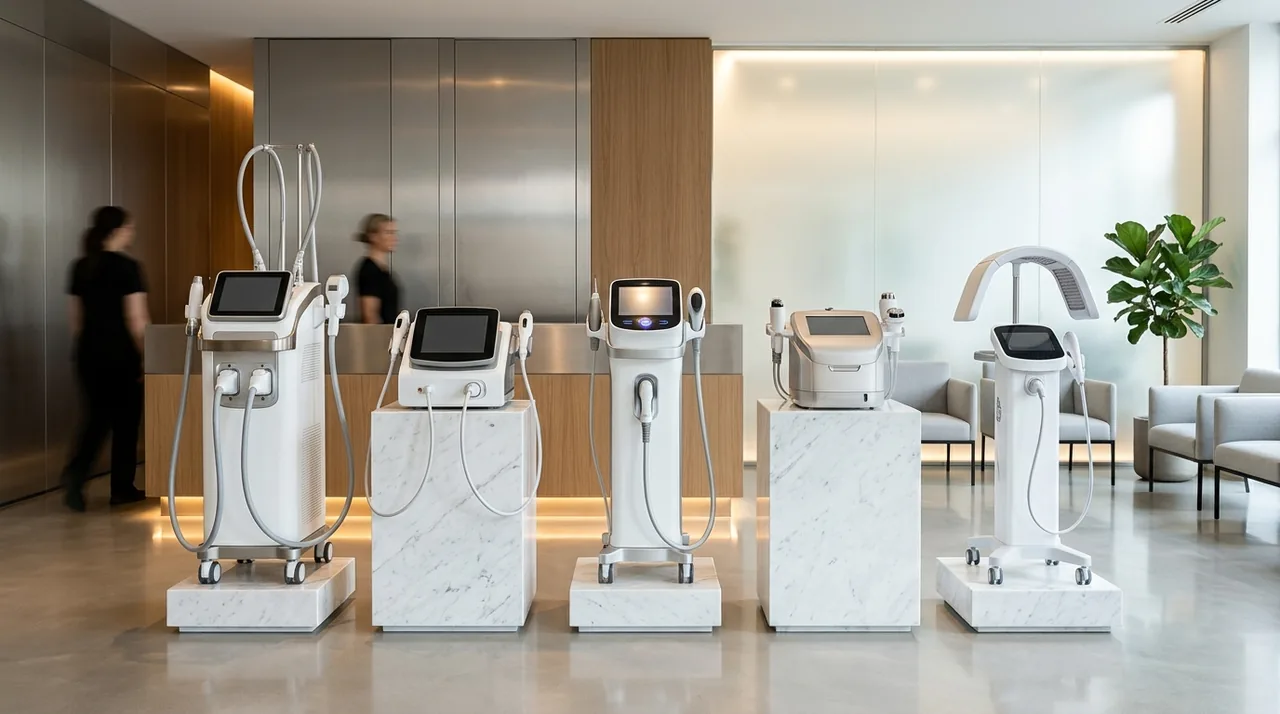
To see how this looks in practice, look at a few examples. The Roll Shaper body machine is offered with a customizable chassis, touch interface and private label options for distributors. The Dual-Handpiece Aesthetic Maestro is a compact private label system built for clinics and med spas.
The professional RF system is an example of OEM manufacturing focused on consistent performance from one unit to the next.
Technology Platforms You Can Build a Private Label Line Around
The right technology depends on the treatments your customers expect. These are the platforms brands ask about most often.
- RF technology uses multi-polar radiofrequency for controlled energy delivery and tissue heating.
- HIFU technology uses focused ultrasound for targeted treatment, often with real-time monitoring.
- Laser technology covers precision systems with multiple wavelengths for varied clinical uses, including hair removal.
- Cryo technology uses controlled cooling for fat reduction and skin treatments.
- LED and light technology supports skin rejuvenation and therapeutic treatments.
Under ODM you choose from existing platforms. Under OEM you can request a custom combination, such as RF with built-in cooling, or two handpieces with different functions. For a wider view of what is possible, download the capability brochure.
What Affects the Price of Beauty Equipment Under Each Model?
Buyers often ask for a price before they have defined the project. A fair quote needs details. These are the factors that move the number most.
- Technology type. A multi-wavelength laser system and a body roller sit in very different cost ranges.
- Component quality. Energy sources, sensors, cooling systems and screens vary widely in quality and lifespan.
- Level of customization. Colors and logos cost little. New housings, new handpieces and new software cost more.
- Order quantity. Larger orders spread tooling and setup costs across more units.
- Packaging and accessories. Custom cartons, carry cases and printed manuals add to the total.
- Certification support. Documents, testing and registration work should be clear in the quote.
- Shipping terms. Check whether the price covers freight, insurance and import duties.
A very low quote is not always a bargain. Compare offers line by line and look for what is missing.
Certification and Compliance: The Part Buyers Often Overlook
A beautiful machine you cannot legally sell is an expensive display piece. Certification deserves a place in your plan from day one, not at the end.
Requirements depend on the device type, its intended use and the country where you plan to sell. Here is what the most common terms mean.
- ISO 13485 is a quality management standard for organizations that make medical devices. It shows that a factory works within a documented and audited system. You can read the official overview on the ISO 13485 page.
- CE marking relates to access to the European market. Ask which standards the specific model was tested against.
- FDA registration is where buyers most often slip up. A registered facility is not the same as an FDA cleared or approved device. The FDA explains the process on its device registration and listing page.
- MDSAP is a program that lets a single audit satisfy the requirements of several regulatory authorities. See the FDA's MDSAP overview.
- RoHS and UKCA cover restricted substances in electronics and access to the United Kingdom market.
Ask your manufacturer for documents that match the exact model and the exact destination market. A certificate for one product does not automatically cover another.
In some regions, the brand that sells the device under its own name also takes on legal responsibilities. A regulatory consultant in your target country can tell you where those lines fall. You can also review the certifications our factory holds.
How to Vet a Beauty Equipment Manufacturer Before You Pay a Deposit
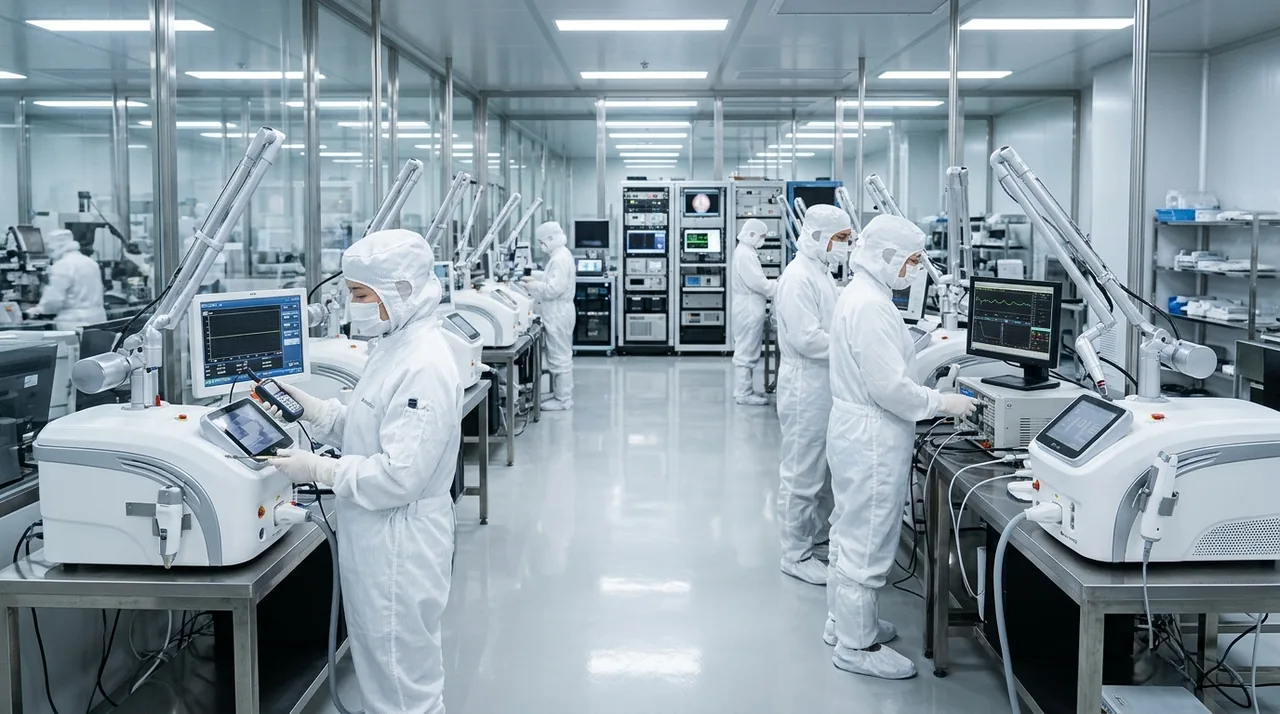
Anyone can build a good-looking website. A reliable factory can prove its claims. Before you commit, work through this checklist.
- Ask for a live factory video call. Seeing production lines, testing stations and storage areas tells you more than a brochure. Our manufacturing page shows what a modern facility looks like.
- Request a sample or demonstration. Check build quality, noise, handpiece weight, cooling performance and software response with your own hands.
- Match certificates to your model. Do not accept a generic folder of certificates. Ask for documents that name the product.
- Understand the quality control process. Look for incoming, in-process and outgoing inspection, plus reliability testing before shipment.
- Ask about spare parts and consumables. A machine is only as useful as the support behind it. Confirm how handpieces, tips and parts will be supplied.
- Clarify software and language support. If your market speaks Spanish, Arabic or Portuguese, confirm that the interface can be adapted.
- Read the contract for intellectual property. Know who owns the design, the brand assets and the tooling.
What the Process Looks Like From First Message to Delivery
Whether you choose OEM or ODM, a well-run project follows a clear path. Our OEM and ODM page lays it out in more detail.
Consultation
The factory learns about your market, your product vision and your technical needs. Be ready to share your target customers, destination countries and rough order volume.
Prototyping or Platform Selection
For OEM, this stage covers industrial design, hardware, firmware and validation. For ODM, it means picking a platform and agreeing on your branding changes.
Production
Your devices are built with quality checks at every stage, followed by testing before they leave the factory.
Delivery and After-Sales Support
This stage covers certification support, global logistics and technical service. Good support continues well after the shipment arrives.
Which Model Fits Which Type of Buyer?
Theory is helpful, but most buyers want to see themselves in the picture. These three profiles cover the situations we hear about most often.
The Clinic Owner Adding a Signature Machine
A clinic owner wants a branded device that matches the clinic's look and supports a few core treatments. Speed and reliability matter more than a brand-new design. ODM fits well, because the clinic gets its own name on a proven machine and can start treating clients sooner.
The Distributor Building a Regional Brand
A distributor wants a recognizable brand across several countries. Packaging, language support and certification documents matter a great deal. ODM is usually the first step, with a custom OEM line added once the brand has earned a loyal customer base.
The Established Brand With a Technical Edge
A brand with an in-house research team has a clear idea of the energy parameters and handpiece design it wants. Exclusivity is central to its marketing. OEM is the natural choice, provided the contract protects its intellectual property.
Common Mistakes Buyers Make
- Choosing OEM because it sounds more serious. Many successful brands launch with ODM and move to OEM later.
- Comparing quotes that are not equal. Two prices mean little if one includes certification support, spare parts and training and the other does not.
- Ignoring the destination market. Rules differ by country. Plan certification before you order stock.
- Skipping the sample stage. A sample costs far less than a container of machines you are unhappy with.
- Forgetting about after-sales support. Your clinic customers will ask about training, parts and repairs soon after the first sale.
A Simple Way to Decide Between OEM and ODM
Answer these five questions honestly.
- Does the product you want already exist in some form?
- How soon do you need to launch?
- How important is it that no other brand sells the same machine?
- How much development budget can you commit?
- Which countries are you selling to, and what will they require?
If your answers point to an existing product, a short timeline and a limited budget, ODM is probably the best place to start. If you need something that does not exist yet, exclusivity matters a lot and you can wait and invest, OEM deserves serious attention.
There is also a middle path. Many brands begin with ODM, learn what their customers value and then commission a custom OEM design with that knowledge. You learn the market first and spend the bigger money second.
Frequently Asked Questions About OEM and ODM Beauty Equipment
What is the main difference between OEM and ODM beauty equipment?
With OEM, you provide the design and the factory builds it to your specifications. With ODM, the factory provides a finished design and you customize the branding and selected features.
Is ODM cheaper than OEM?
ODM usually costs less upfront because the design and validation work already exists. The final price still depends on the technology, the order size and how much customization you ask for.
Can I start with ODM and move to OEM later?
Yes. Many brands do exactly that. Starting with ODM lets you test the market and understand your customers before you invest in a custom design.
Do I need my own certifications to sell a private label beauty device?
It depends on the market and the device. The manufacturer can usually supply documents for the model, but the legal responsibilities of the brand that sells the device can differ by country. Check with a regulatory specialist before you ship.
How do I get a quote for OEM or ODM beauty equipment?
Contact the team through the website with the product you are interested in, the quantity you expect and any customization you need. You can also check the FAQ page for answers about samples, support and shipping.
Final Thoughts
Mina's story did not have to end with a missed season. A clear conversation about OEM and ODM at the start would have saved her time, money and stress.
ODM gives you speed and lower risk. OEM gives you control and exclusivity. Neither is better in every situation. The better choice is the one that fits your product idea, your timeline and your budget today.
If you are weighing both options, talk to a factory that builds under both models and explains the trade-offs honestly. The team at OEM Beauty Equipment works with brands, distributors and clinics worldwide. When you are ready, request a technical consultation and tell us what you want to build.